
Debris Capture
The screening element retains solid particles from the process fluid according to the specified filtration level.
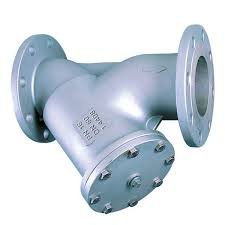
An industrial strainer removes unwanted solid particles from flowing fluids before they reach downstream equipment. A screen or mesh captures debris while allowing the process fluid to pass through, helping protect pumps, valves, instruments and other equipment when correctly selected for the application.
Forex Valves, based in Ahmedabad, Gujarat, India, provides a point of contact for industrial valve and pipeline product enquiries. Strainer selection should be based on the fluid, filtration requirements and operating conditions.
A strainer is installed in a pipeline to capture solid particles carried by the process fluid. Its screening element retains debris, which can be removed during cleaning or maintenance according to the equipment design.
The filtration level, allowable pressure drop, flow conditions, screen compatibility and maintenance access should be assessed before selecting a strainer.
The screening element retains solid particles from the process fluid according to the specified filtration level.
Appropriate strainer selection can help reduce debris reaching pumps, valves, instruments and downstream equipment.
Screen inspection and cleaning help manage accumulated debris and pressure-drop changes during operation.
Strainer designs vary according to pipeline configuration, operating conditions, debris load and maintenance requirements. Common categories include the following.
A compact strainer with a Y-shaped body that holds a screening element. It may be used in liquid, steam or gas lines when the selected model is rated for that service.
Uses a basket-shaped screening element and may suit applications requiring greater debris-holding capacity, subject to the design and operating requirements.
Used in selected systems during commissioning, start-up or temporary pipeline protection according to the project requirements.
Depending on the design, material and operating conditions, industrial strainers may be used in:
Application suitability depends on the process medium, particle characteristics and equipment protection needs.
Review the key technical parameters before choosing a strainer. The correct configuration should meet the required filtration level without creating an unacceptable pressure drop.
| Parameter | Selection Consideration |
|---|---|
| Fluid type | Water, oil, steam, gas or another process medium. |
| Pressure and temperature | Normal and maximum operating conditions. |
| Filtration requirement | Particle size and specified mesh or perforation. |
| Flow rate | Expected flow through the pipeline and selected strainer. |
| Pressure drop | Permissible pressure loss across the screening element. |
| Body and screen material | Compatibility with the process fluid and surrounding environment. |
| Pipeline connection | Required nominal size and connection type. |
| Debris-holding capacity | Expected quantity and type of captured particles. |
| Maintenance access | Space and arrangements required for inspection and screen cleaning. |
Industrial buyers, maintenance teams, contractors and engineering companies in Ahmedabad and across Gujarat can share their pipeline requirements for product evaluation.
Include the fluid type, pipeline size, operating pressure, temperature and filtration requirements to help clarify the required specification.
Customers across India can submit enquiries based on their project and operating requirements. Application details, quantity, material preferences and applicable specifications help establish the required configuration.
Explore the Forex Valves product catalogue to review the broader industrial valve range.
Industrial buyers and project teams in India and international markets can share their strainer requirements for review. Technical details help clarify the intended application.
For domestic or international project enquiries, provide the destination, fluid type, operating conditions, pipeline size, filtration requirement, material specification and quantity. Product availability, export arrangements, certifications and delivery schedules should be confirmed directly.
Answers to common questions about industrial strainer design, applications, filtration and maintenance.
Prepare your fluid details, pipeline size, operating pressure and temperature, filtration requirement, material specification and required quantity for your enquiry.
Contact Forex ValvesYour request has been submitted successfully. Our team will review your details and get back to you within 24 hours.
Thank you!
Your enquiry has been submitted successfully.
Our team will contact you shortly.