Forex Valves · Ahmedabad, India
Globe Valve Manufacturer in Ahmedabad, India
Forex Valves is based in Ahmedabad, Gujarat, India, and offers
industrial valve solutions for pipeline applications. Globe valves
are used to regulate or isolate fluid flow when the valve design
and operating characteristics meet the requirements of the service.
Industrial Flow Control
Application-Based Selection
Technical Specification Review
Globe Valve Overview
What Is a Globe Valve?
A globe valve is a linear-motion valve that controls flow through
the movement of a disc or plug relative to a stationary seat.
Its internal flow passage is designed to support flow regulation,
making globe valves suitable for applications requiring flow
control as well as shut-off.
Actual flow characteristics, pressure drop and control performance
depend on the valve's internal design, size and operating conditions.
↕
Flow Regulation
The disc or plug changes the available flow passage as the
valve is operated. Performance depends on the specific design
and service conditions.
◉
Shut-Off Function
A globe valve can provide shut-off when its design, seating
arrangement and operating conditions are suitable for the
application.
⚙
Application-Based Design
Valve selection should account for pressure, temperature,
process medium, material compatibility and required flow
characteristics.
Construction & Components
Globe Valve Design and Construction
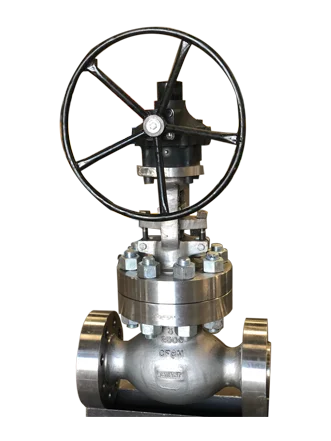
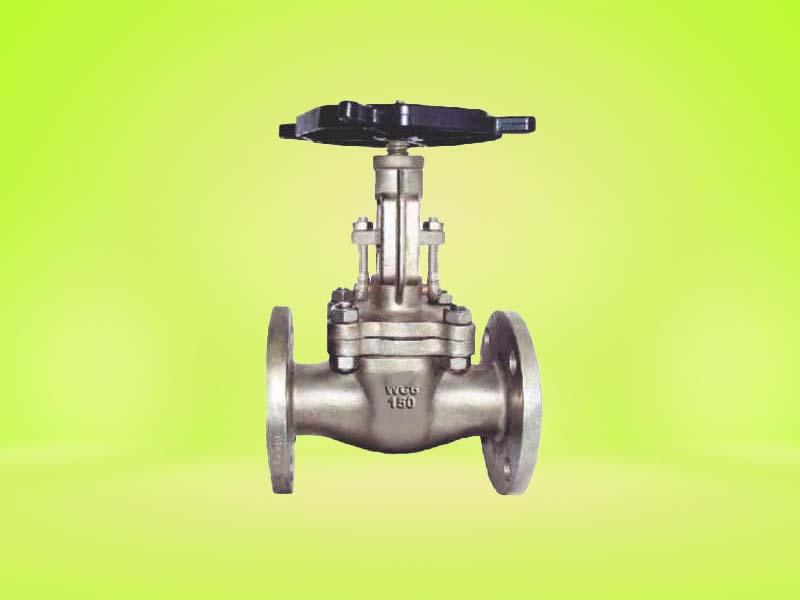
A globe valve generally consists of a body, bonnet, stem, disc or
plug, seat and sealing components. These parts work together to
control the flow passage as the valve is operated.
Material and construction requirements depend on the process medium
and service conditions. Review the following details before selecting
a valve:
- Nominal valve size
- Operating pressure and temperature
- Body and trim material requirements
- Process medium and material compatibility
- End connection type and dimensions
- Required flow-control characteristics
- Operating method and installation requirements
- Applicable standards, inspection and testing
Technical note: Confirm the exact components,
material options, ratings, standards and available configurations
against the relevant product datasheet before specifying a valve.
Industrial Use Cases
Industrial Applications of Globe Valves
Globe valves may be considered for industrial flow-control and
isolation duties where the selected valve configuration meets
the process requirements.
01
Process Piping
Industrial process lines requiring specified flow regulation or isolation.
02
Water & Utilities
Utility systems where material compatibility and operating conditions are suitable.
03
Steam & Thermal Systems
Applications requiring review of temperature, pressure and valve design.
04
Power Generation
Selected plant services based on project specifications and service conditions.
05
Oil & Gas
Pipeline and process duties subject to the applicable project requirements.
06
Chemical Industries
Process applications where wetted materials are compatible with the medium.
Application suitability depends on valve design, material compatibility,
pressure-temperature limits, process medium and required flow-control
performance.
Valve Selection Guide
How to Select the Right Globe Valve
Provide complete operating and connection details so the proposed
valve configuration can be reviewed against the intended application.
1
Define the Application
Determine whether the valve is required for flow regulation, isolation or another specified duty.
2
Confirm Valve Size
Specify the nominal valve size and required connection dimensions.
3
Check Operating Conditions
Provide normal and maximum operating pressure and temperature.
4
Identify the Process Medium
Confirm the fluid and any relevant chemical or material compatibility requirements.
5
Select Suitable Materials
Check body, disc, stem, seat and sealing materials against the service conditions.
6
Review Flow Requirements
Consider required flow rate, pressure drop and control characteristics.
7
Confirm Standards and Documents
Identify applicable design standards, testing requirements and project documentation.
Forex Valves
Globe Valves from Forex Valves
Forex Valves is based in Ahmedabad, Gujarat, India. Customers can
share their application details and technical specifications to
confirm whether a suitable globe valve configuration is available.
Review the product range and provide the relevant service conditions
when enquiring about an industrial valve.
Common Questions
Frequently Asked Questions About Globe Valves
What is a globe valve used for?
A globe valve is commonly used to regulate fluid flow and can
also provide shut-off when its design is suitable for the
application.
How does a globe valve work?
Operating the valve moves a disc or plug relative to the seat,
changing the available flow passage and controlling the amount
of fluid that passes through.
What is the difference between a globe valve and a gate valve?
Globe valves are commonly selected for flow regulation because
of their internal flow-control design. Gate valves are generally
used for on-off isolation rather than routine throttling.
Which factors matter when selecting a globe valve?
Important factors include valve size, pressure, temperature,
process medium, material compatibility, end connections and
required flow-control performance.
Where are globe valves used?
They may be used in industrial process piping, utility systems,
steam systems and other applications where the selected valve
configuration meets the service requirements.
How can I enquire about globe valves from Forex Valves?
Use the Globe Valve Enquiry link above and provide the required
valve size, operating pressure, temperature, process medium,
materials and connection details for review.