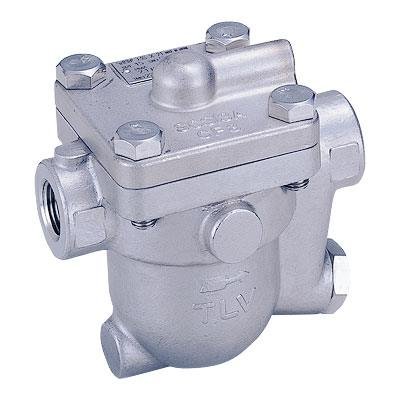
Steam Trape

Industrial Steam System Solutions

Reliable solutions for condensate management and efficient operation of industrial steam systems.

Industrial Steam Trap

Steam Trap

Steam traps are designed to remove condensate from steam systems while minimizing the loss of live steam. They help maintain efficient heat transfer and support dependable operation in industrial steam applications.

Technical Specifications
Valve Type Mechanical, Thermodynamic & Thermostatic
Size Range DN15 to DN50 (½" to 2")
Body Material Cast Iron, Carbon Steel, Stainless Steel
End Connections Threaded, Flanged, Socket Weld
Pressure Rating PN16 to PN40 / ANSI Class 150 & 300
Working Temperature Up to 425°C
Standards ASME, DIN, BS, ANSI

Key Features

01

Efficient condensate removal without unnecessary steam loss

02

Helps improve overall steam system efficiency

03

Durable construction for demanding industrial service

04

Low-maintenance operation with long service life

05

Suitable for high-pressure industrial applications

06

Available with multiple connection configurations

Need Technical Details?

Contact Forex Valves for product specifications, technical information and application assistance.

Request Technical Datasheet →
Industrial Steam Systems

Steam Trap Manufacturer in India

A steam trap is designed to discharge condensate and, depending on its design, non-condensable gases from steam systems while limiting the loss of live steam under intended operating conditions. Proper condensate removal supports heat-transfer efficiency and reliable steam-system operation.

Forex Valves, based in Ahmedabad, Gujarat, India, provides a point of contact for industrial valve and steam-system product enquiries. Steam trap selection should be based on the application and verified operating requirements.

Steam Trap Function and Operation

Condensate forms when steam transfers heat to equipment or a process. A steam trap removes this condensate from the system. Depending on its operating mechanism, the trap responds to temperature, density differences or thermodynamic effects.

Appropriate selection and installation help support condensate drainage, energy management and steam-system performance. The trap must suit the equipment and actual operating conditions.

Condensate Removal

Discharges condensate produced as steam releases heat in distribution lines and process equipment.

Steam Management

Limits live-steam loss when selected, sized and operated under the trap's intended conditions.

System Performance

Supports effective condensate drainage and heat-transfer operation when correctly matched to the application.

Types of Steam Traps

Steam traps use different mechanisms to respond to steam, condensate and operating conditions. The appropriate design depends on system pressure, condensate load, air venting and installation requirements.

Mechanical Steam Traps

Operate using differences in the density of steam and condensate. Suitability depends on the particular design and application.

Thermostatic Steam Traps

Respond to temperature differences between steam and condensate to control discharge.

Thermodynamic Steam Traps

Use pressure and velocity effects during operation. Confirm suitability against the required operating range.

Product selection: These are general steam trap categories, not a confirmation that every type or model is available from Forex Valves. Confirm the specific product, construction and operating limits before placing an order.

Steam Trap Applications

Depending on the selected design and system requirements, steam traps may be used in:

  • Industrial steam distribution lines
  • Heat exchangers and process-heating equipment
  • Steam-heated tanks and vessels
  • Industrial heating systems
  • Steam tracing applications
  • Condensate drainage points in steam networks

Application Suitability

The installation environment and the equipment being served determine the operating requirements.

  • Check normal and maximum operating pressure.
  • Estimate condensate load during operation and start-up.
  • Confirm differential pressure across the trap.
  • Review air-venting and drainage requirements.
  • Follow the equipment manufacturer's requirements.

How to Select a Steam Trap

Review the following parameters before specifying a steam trap. Correct sizing helps the trap discharge the expected condensate load under the actual operating conditions.

Selection Parameter What to Check
Operating pressure Normal and maximum steam pressure.
Differential pressure Available pressure difference across the trap, including relevant operating variations.
Condensate load Expected condensate quantity during normal operation and start-up.
Operating temperature Steam and condensate temperature range.
Application Steam main, heat exchanger, tracing line or other equipment.
Connection type and size Required pipeline connection and nominal size.
Material compatibility Materials suitable for the medium and operating conditions.
Air venting Requirements for removing air and other non-condensable gases.
Maintenance Inspection access, servicing requirements and installation constraints.
Important: Do not select a steam trap using pipeline size alone. Confirm the condensate load, operating pressure, differential pressure, start-up conditions and the requirements of the equipment served.

Steam Trap Enquiries in Ahmedabad and Gujarat

Industrial buyers, maintenance teams, contractors and engineering companies in Ahmedabad and across Gujarat can share their steam-system requirements for product evaluation.

Include the application, operating pressure, temperature, condensate load and connection details to help clarify the required configuration.

Steam Trap Enquiries Across India

Customers across India can provide technical requirements and installation details for review. The intended service, quantity and operating conditions help establish the product requirements for a project.

Explore the Forex Valves product catalogue to review the broader industrial valve range.

Gulf Countries and Worldwide Enquiries

Industrial steam-system enquiries may originate from project teams and buyers in India and international markets. Relevant requirements can be shared for product evaluation.

India UAE Saudi Arabia Qatar Oman Kuwait Bahrain Other Markets

For domestic or overseas enquiries, share the destination, required quantity, operating conditions, connection details and applicable project standards. Product availability, export arrangements, certifications and delivery schedules must be confirmed directly.

Frequently Asked Questions

Common questions about steam trap function, types, applications and selection requirements.

What is a steam trap used for?
A steam trap removes condensate and, depending on its design, non-condensable gases from a steam system while limiting the discharge of live steam under intended operating conditions.
What are the main types of steam traps?
The main categories are mechanical, thermostatic and thermodynamic steam traps. Each uses a different operating mechanism and must be matched to the application.
Where are steam traps installed?
Depending on the system design, they may be installed in steam distribution systems, heat exchangers, process-heating equipment, steam tracing lines and condensate drainage points.
How do I choose the correct steam trap?
Consider operating pressure, differential pressure, temperature, condensate load, application, connection size, material compatibility, air venting and maintenance requirements.
Can one steam trap be used for every application?
No. The trap type and capacity must be selected for the specific operating conditions, condensate load and equipment requirements.
Why is differential pressure important in steam trap selection?
Differential pressure is the pressure difference available across the trap. It affects condensate discharge capacity and should be assessed under the expected operating conditions.
How can I enquire about steam traps from Forex Valves?
Use the Forex Valves contact page to share the application, operating pressure, temperature, condensate load, connection details and project requirements. Confirm product availability and suitability directly.

Discuss Your Steam-System Requirements

Share the operating pressure, temperature, condensate load, connection details, application and destination to help clarify your steam trap enquiry.

Send an Enquiry